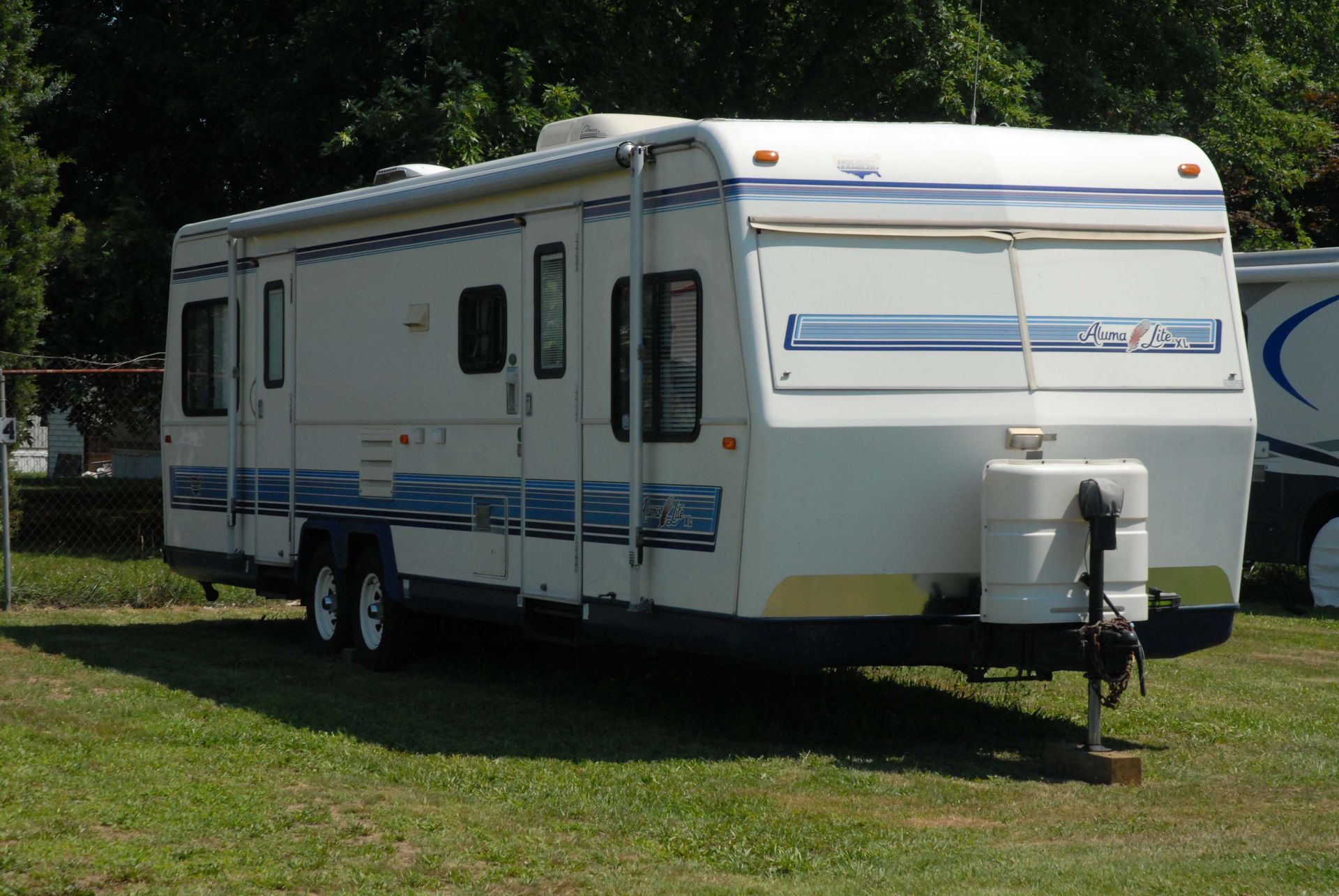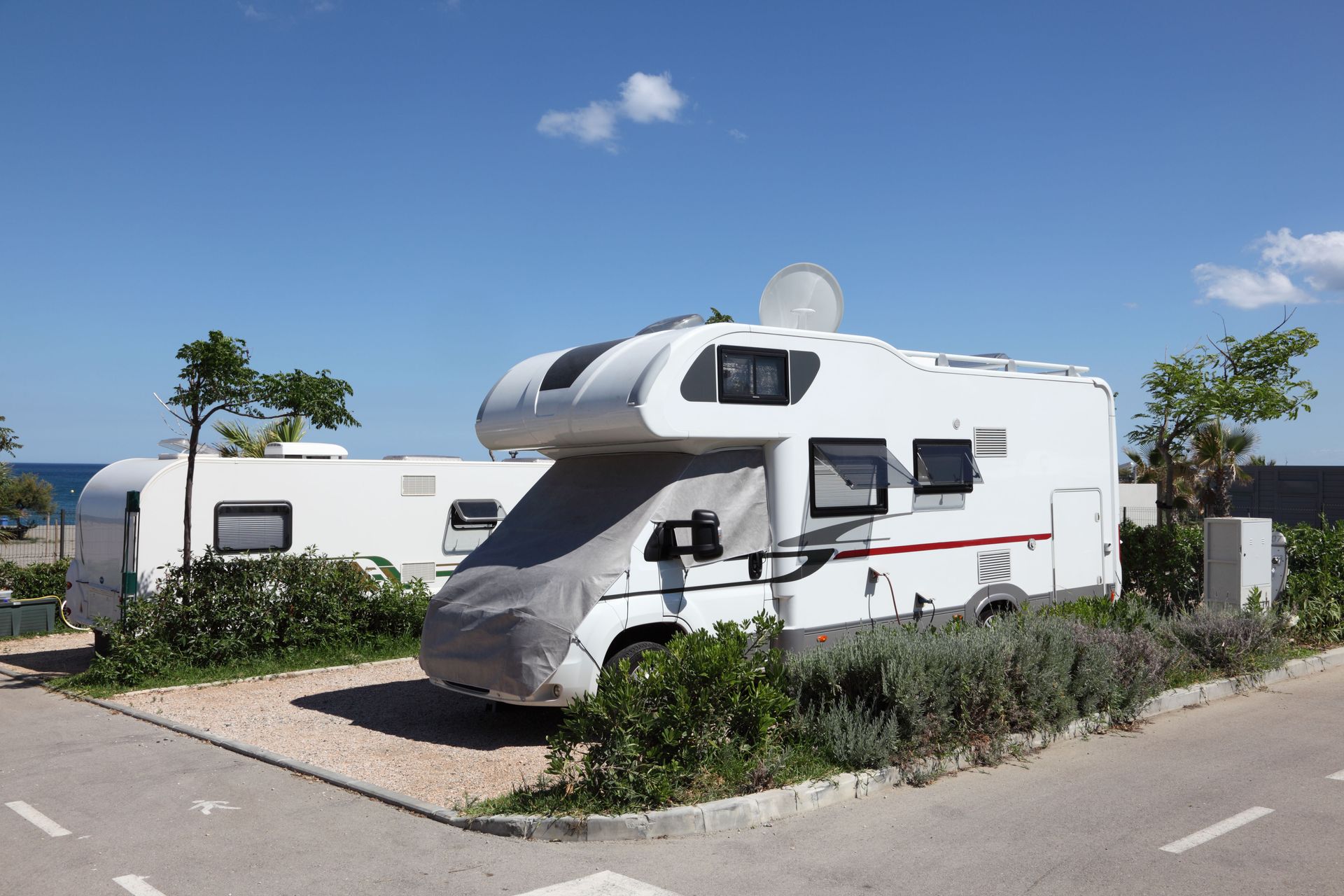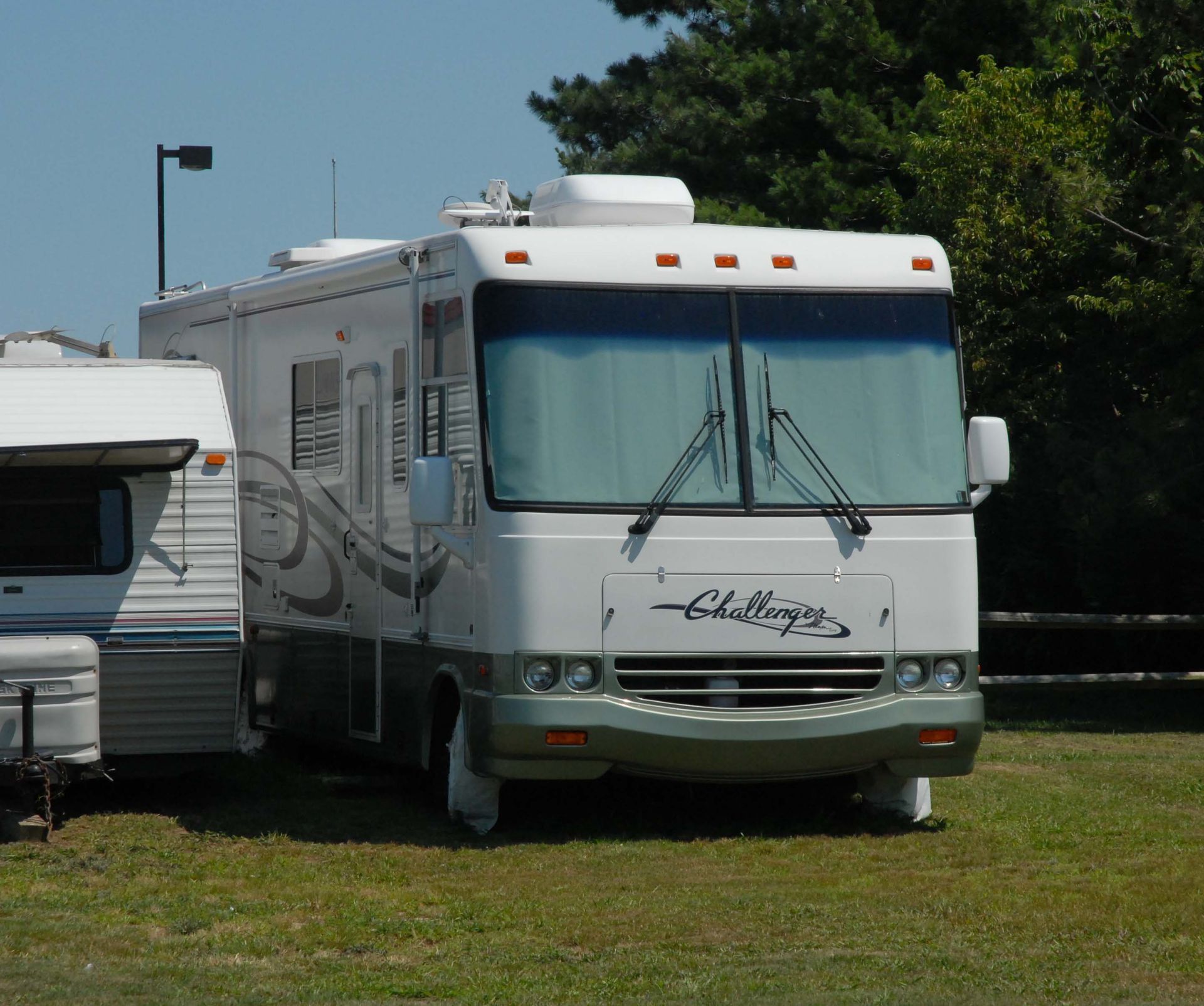
For RV owners, maintaining the vehicle in optimal condition is essential for supporting safety, reliability, comfort, and longevity. Recognizing warning signs that indicate professional attention is needed can prevent relatively minor problems from developing into expensive mechanical or structural failures. Staying aware of changes in the way an RV drives, sounds, smells, or functions allows owners to schedule RV repairs before a problem interferes with an upcoming trip. Routine inspections also make it easier to detect deterioration caused by mileage, changing weather, moisture, vibration, and normal use. By taking a proactive approach to maintenance, owners can reduce unexpected breakdowns, protect important systems, and enjoy greater confidence whenever they travel.
1. Noticeable Leaks and Water Damage
Water damage is a common RV problem that can escalate quickly when it is not addressed. Stains or discoloration on ceiling panels are often among the first visible signs of a roof or seal leak. Beyond affecting appearance, these marks may indicate that moisture has already penetrated insulation, wall materials, or structural components. Water entering through the roof, vents, seams, or exterior joints can gradually compromise the integrity of the vehicle. Regularly checking sealants and responding quickly to suspected leaks can help prevent extensive RV repairs later.
Soft spots in the floor may indicate a more advanced moisture problem. These areas can develop when the subfloor remains damp for an extended period, causing wood and other materials to weaken or deteriorate. Left untreated, the damage may spread beneath cabinets, walls, or flooring materials. Owners should identify the source of moisture rather than simply covering or replacing the visible damaged area. Inspecting roof seals, plumbing connections, exterior compartments, and nearby fixtures may help locate the source.
Dripping around windows and doors can also signal water intrusion. Seals may crack, shrink, loosen, or separate as they age, allowing rainwater to enter the interior. Musty smells, mold growth, or persistent mildew odors may indicate trapped moisture even when no active leak is visible. Because hidden moisture can affect indoor air quality and structural materials, professional evaluation may be necessary when the source cannot be easily identified.
2. Electrical System Malfunctions
Electrical systems support many of the conveniences that make RV travel comfortable, including appliances, lighting, entertainment systems, outlets, and climate controls. Frequently blown fuses or tripped breakers may indicate excessive electrical loads, faulty components, or damaged wiring. Continually replacing fuses without identifying the underlying cause can allow a more serious electrical problem to develop. Professional RV repairs may be appropriate when electrical failures occur repeatedly or affect several systems at once.
Unresponsive outlets or appliances can be equally frustrating, especially during an extended trip. These problems may result from loose connections, faulty breakers, damaged wiring, or deteriorating electrical components. Owners can begin by checking breakers, power sources, and manufacturer instructions, but complex electrical work should generally be handled by qualified technicians. Regular testing can help identify problems before they interrupt essential equipment.
Lights that flicker or dim may indicate inconsistent voltage, battery problems, failing connections, or issues with the charging system. Battery terminals should be kept clean, secure, and free of excessive corrosion. A burning smell near wiring, outlets, or electrical panels requires immediate attention because overheating components may create a fire hazard. Turning off the affected electrical system and arranging an inspection can help protect both occupants and equipment.
3. Engine Performance Problems
For motorized RVs, the engine is responsible for transporting a substantial vehicle and everything inside it. Difficulty starting can result from a weak battery, fuel delivery problems, ignition issues, or insufficient maintenance. Following recommended oil-change schedules, testing the battery, and inspecting fluids can reduce the likelihood of preventable engine problems. Persistent starting trouble should be evaluated before a long trip rather than waiting for the vehicle to become completely inoperable.
Unusual engine sounds are another indication that mechanical attention may be needed. Knocking, ticking, squealing, or grinding noises can point to worn belts, lubrication problems, damaged accessories, or internal engine issues. Changes in engine sound should be taken seriously because early diagnosis may allow technicians to correct a smaller problem before additional components are affected. Timely RV repairs can also reduce the risk of becoming stranded far from a service facility.
Declining fuel efficiency may also indicate that the vehicle is not operating as efficiently as it should. Tire pressure, wheel alignment, air filters, fuel-system performance, and engine condition can all influence fuel consumption. Dashboard warning lights should never be ignored simply because the vehicle appears to drive normally. Diagnostic equipment can help determine whether a warning is related to emissions, engine performance, transmission operation, or another system requiring attention.
4. Brake System Issues
The braking system is one of the most important safety components on an RV because these vehicles are typically larger and heavier than passenger cars. Grinding or squealing sounds while braking may indicate worn pads, damaged rotors, or other deteriorating components. Ignoring these noises can allow metal parts to grind against one another, increasing damage and potentially reducing stopping performance. Brake-related RV repairs should be addressed promptly because delays may create unsafe driving conditions.
Vibration through the steering wheel or brake pedal can indicate warped rotors, uneven wear, or other braking problems. A soft or spongy pedal may suggest air in the hydraulic system, deteriorating brake fluid, or a leak. Drivers should also pay attention to pulling toward one side during braking because this may indicate uneven braking force. Periodic inspections allow technicians to measure wear and determine whether individual components need adjustment or replacement.
Longer stopping distances are especially concerning because RVs already require more room to stop than smaller vehicles. Worn components, overheated brakes, improper fluid pressure, or excessive vehicle weight may reduce braking performance. Checking brake fluid and following manufacturer maintenance recommendations can help maintain reliable operation. Any visible fluid leak near the wheels or beneath the vehicle should be inspected before driving continues.
5. HVAC System Inefficiencies
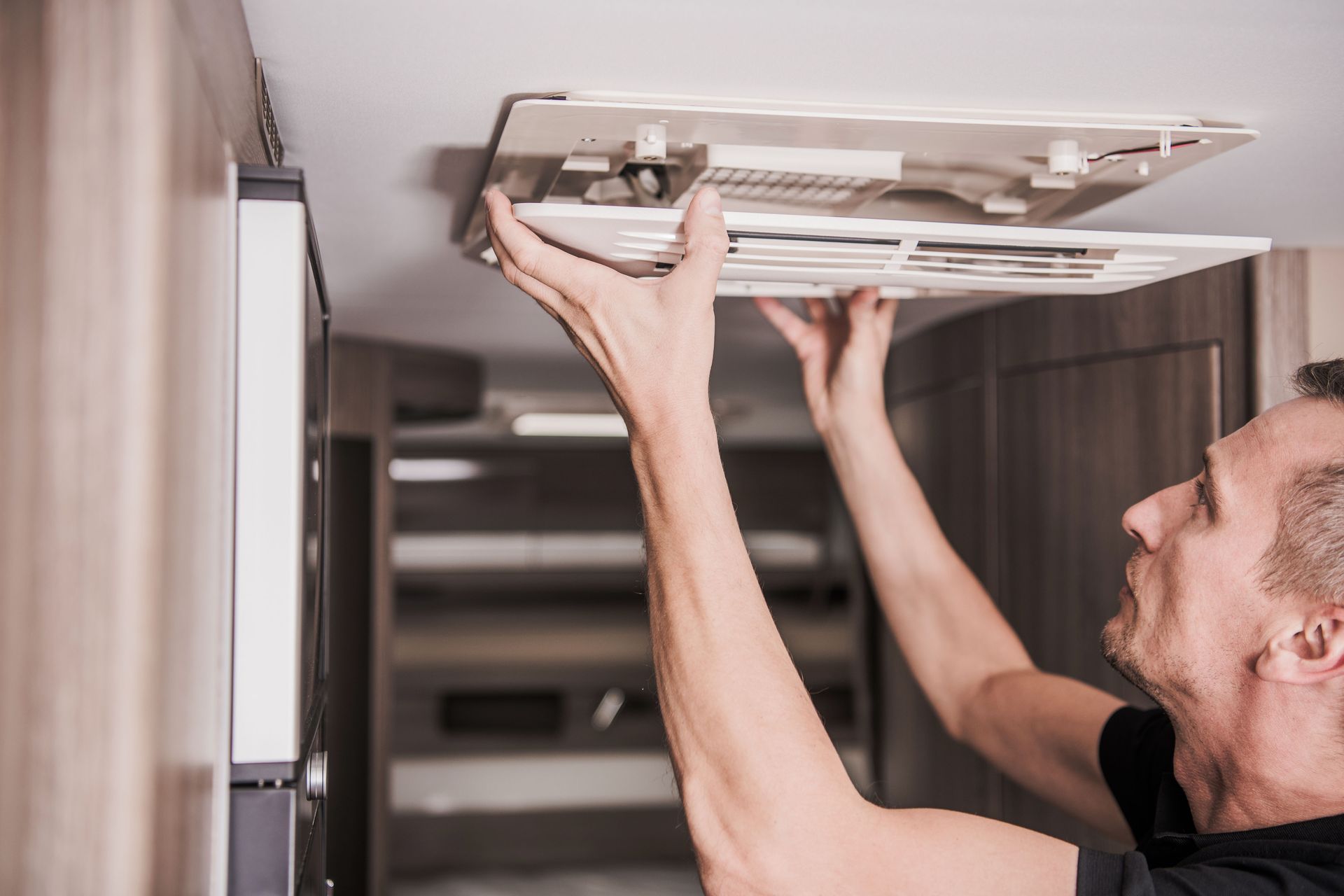
The HVAC system helps maintain comfortable interior temperatures throughout changing seasons and climates. Ineffective air conditioning can quickly make summer travel uncomfortable, particularly when an RV is parked in direct sunlight. According to Wholesale Warranties, an online auto warranty resource, air conditioning is one of the most common RV repairs. Reduced cooling may result from dirty filters, electrical problems, failing components, restricted airflow, or other system concerns that should be evaluated before they cause a complete loss of cooling.
Poor heating performance can create similar problems during colder trips. Furnaces, ducts, vents, thermostats, and fuel or electrical connections should be checked periodically to ensure dependable operation. Unusual noises coming from the furnace or air-conditioning equipment may indicate loose parts, debris, worn motors, or airflow restrictions. Addressing minor performance changes before extreme temperatures arrive can reduce the chance of losing climate control when it is needed most.
Thermostat problems may cause temperatures to fluctuate unexpectedly or force equipment to cycle too frequently. Regular calibration and inspection can help determine whether the thermostat or another HVAC component is responsible. Unpleasant odors from vents may suggest accumulated debris, excessive moisture, mold growth, or overheated electrical components. Investigating unusual smells promptly helps protect air quality and may reveal hidden maintenance concerns.
A consistent maintenance routine is equally important even when everything appears to be functioning normally. Inspecting seals, testing major systems, monitoring fluids, checking tires, and following manufacturer service intervals can reveal gradual wear before it becomes noticeable during a trip. With regular care and timely professional attention, an RV can remain safer, more dependable, and more comfortable for years of travel. Preventive maintenance ultimately gives owners greater confidence that their home on wheels is prepared for the road ahead. Contact our team at RV Doctor LLC today and learn more about our RV repair services.