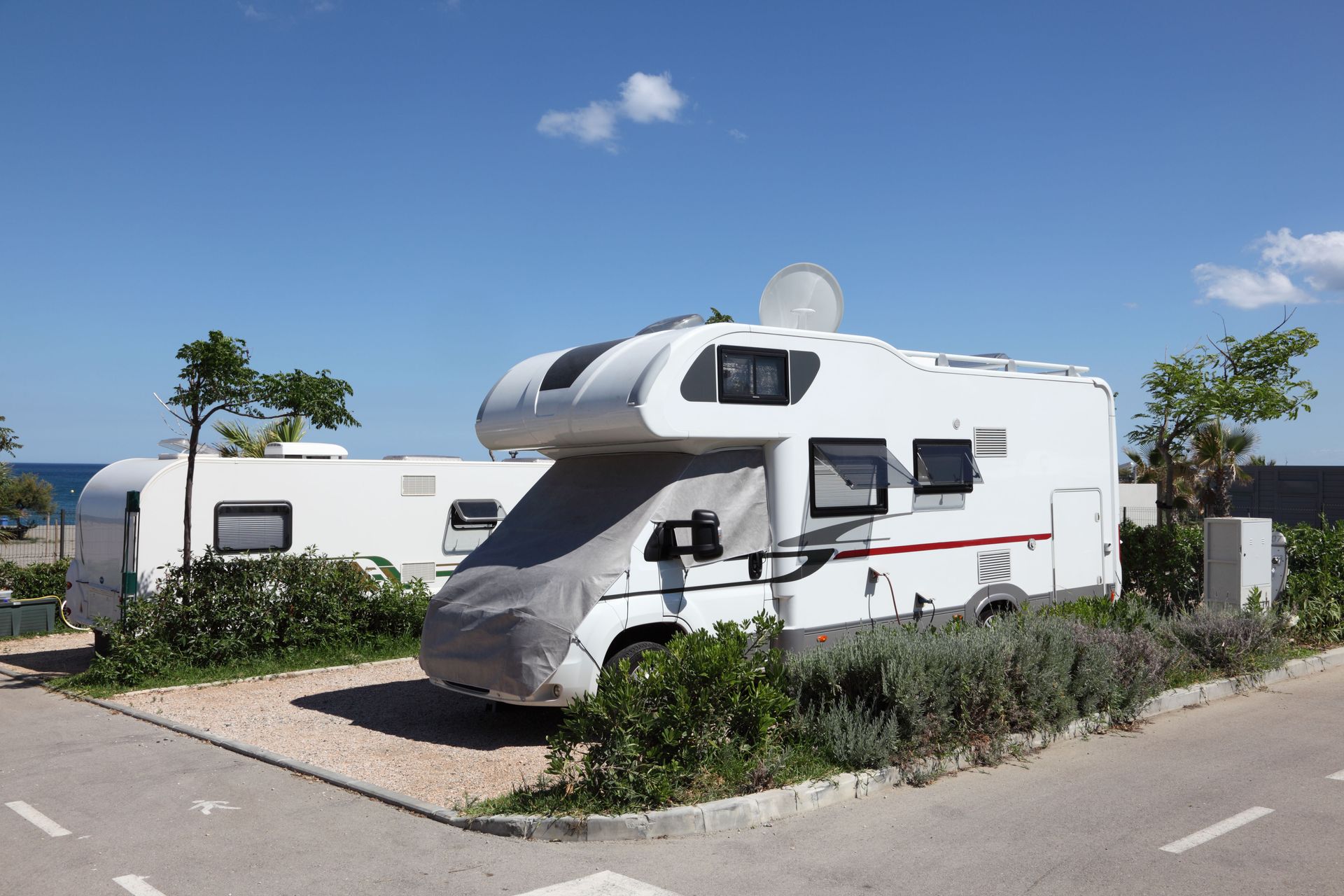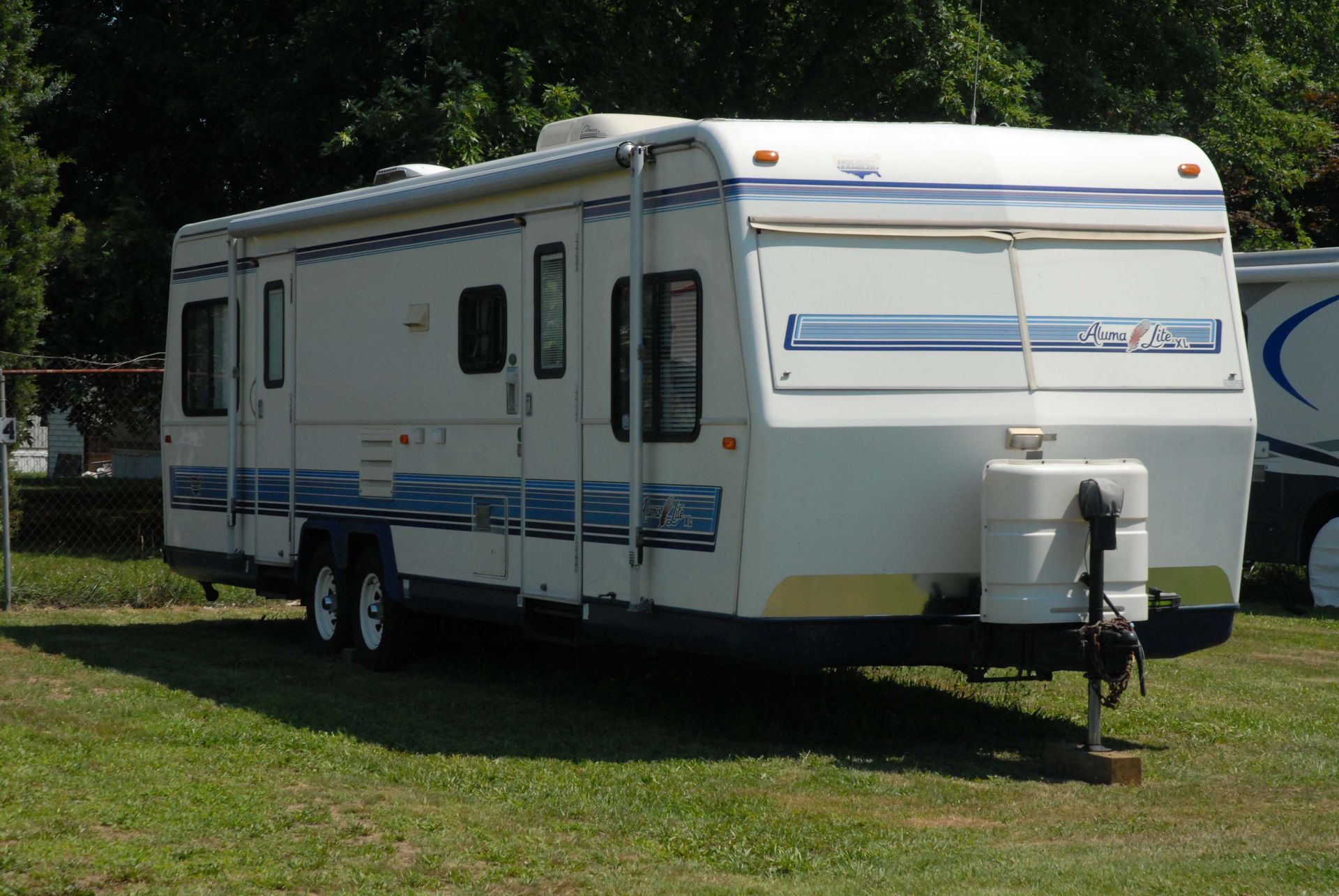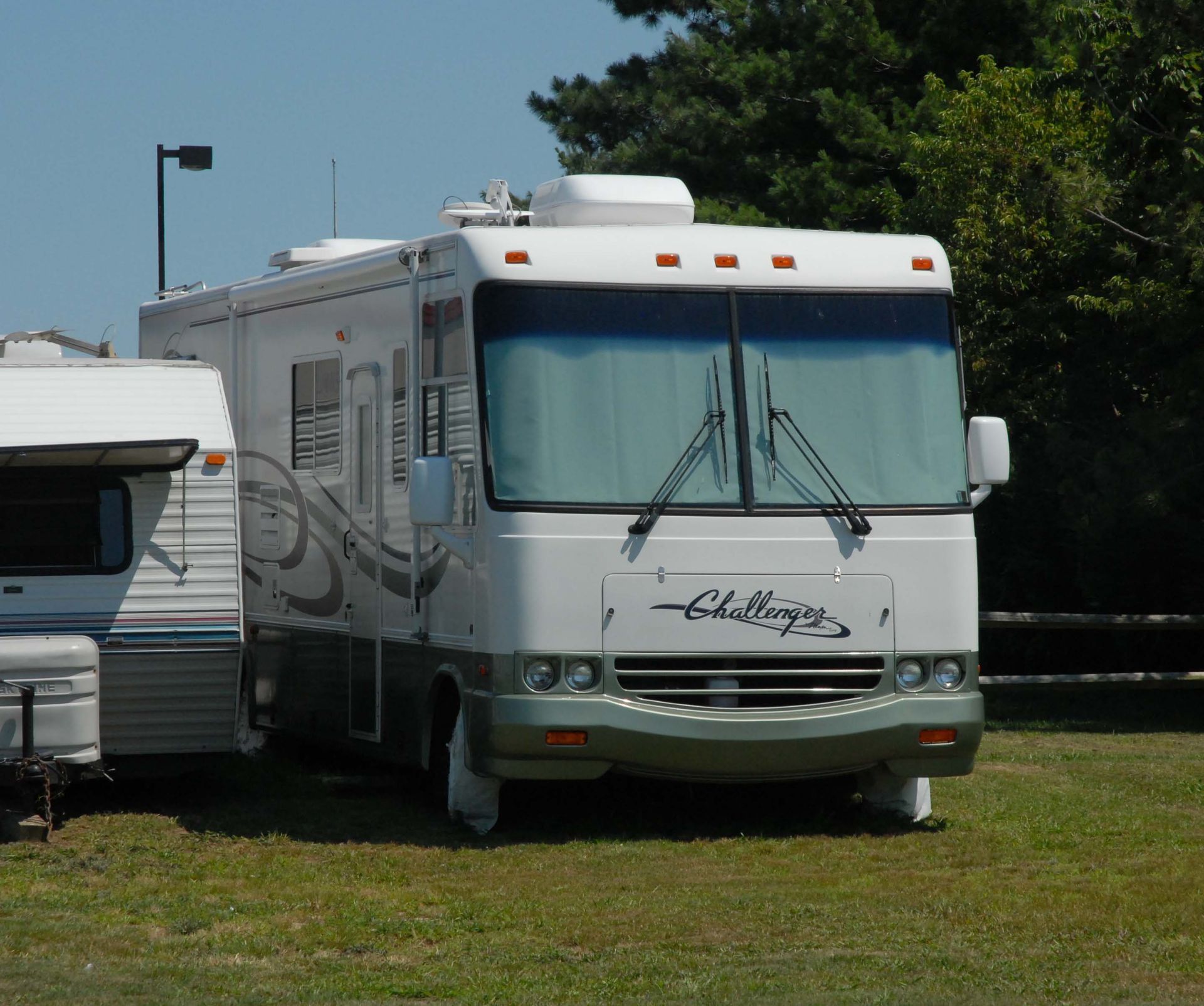
Recreational vehicles (RVs) offer the freedom to explore while bringing a piece of home on the road. However, RV adventures aren't without their potential emergencies. Understanding and preparing for common emergencies and RV repairs can ensure a safer and more enjoyable travel experience. This awareness helps in mitigating risks and transforming potentially life-threatening situations into manageable incidents. Let's delve into various emergencies that may arise during RV travel and how you can effectively prepare for them.
Engine Failures
Engine failures are one of the most daunting problems that can occur while on the road. These issues can arise from a lack of maintenance or unexpected malfunctions in the vehicle's engine components. Having your engine checked routinely is essential to avoid such failures during your travels. In case of engine trouble, it's important to have roadside assistance coverage for swift RV repairs. Being stranded due to an engine failure can be stressful and interrupt your adventure, making good preparation crucial.
Regular maintenance includes checking fluid levels, filters, and belts, as these can deteriorate over time. Keeping spare parts like belts and hoses may also be beneficial, enabling you to perform emergency RV repairs if needed. Additionally, having the proper diagnostic tools can be invaluable in identifying engine issues. It's advisable to familiarize yourself with the basics of engine mechanics. Unusual noises or dashboard alerts are key indicators that shouldn't be ignored.
Transmission Issues
Transmission problems can halt a trip just as quickly as engine failures, making awareness and preparation imperative. These issues often manifest as difficulties in shifting gears or unusual noises while driving. Regular transmission service includes checking the transmission fluid level and quality. Low fluid levels can cause overheating and transmission damage. Keeping a close eye on transmission behavior helps in early detection of problems.
Prevention of transmission issues largely depends on adherence to the vehicle's maintenance schedule. Changing transmission fluid at the recommended intervals keeps the system running smoothly. When facing transmission problems, make use of professional diagnostic services to accurately identify the issue. Maintaining good driving habits, such as avoiding abrupt stops and starts, prolongs transmission life. A small investment in preventive maintenance can save substantial costs and headaches down the road.
Brake System Malfunctions
Brake failures represent a serious threat to safety when traveling in an RV. The significance of a functional braking system is amplified in large vehicles like RVs that require more stopping distance. Regular inspection of brakes and prompt replacement of worn-out components like pads and rotors is vital. Routine checks can help identify early signs of brake system problems such as unusual noises, vibrations, or a soft brake pedal. Not addressing these issues can lead to loss of vehicle control and potential accidents that will require RV repairs.
Tire Blowouts
Tire blowouts are another critical mechanical problem that can occur while on the road. Ensuring your tires are well-maintained is the best prevention measure. This includes regular checks of tire pressure, alignment, and tread depth to avoid blowouts. Overloaded or improperly inflated tires are common culprits for these emergencies. It's important to adjust tire pressure according to the manufacturer's specifications, especially when there are significant changes in load or weather conditions.
Overheating
Overheating engines can lead directly to more serious damage if not addressed promptly. This can stem from low coolant levels, faulty thermostats, or radiator issues. Regularly checking and maintaining coolant levels, especially before long trips, is an effective preventive measure. Knowing your vehicle's temperature gauge and any warning signs helps prevent overheating incidents. If your vehicle does begin to overheat, safely pulling over and allowing the engine to cool down can prevent further damage.
Enhancing your understanding of the cooling system can assist in identifying potential issues early. It's important to check for leaks and make sure the radiator cap is functioning properly, as a faulty cap can lead to pressure loss and overheating. Having spare coolant and basic tools can help manage immediate coolant level issues. Being able to recognize symptoms of a failing water pump or blocked radiator fins allows timely intervention. Relying on regular professional maintenance checks ensures that the vehicle's cooling system remains in optimal condition.
Battery Failures
Battery failure is a common electrical issue that can strand an RV. The causes range from old or poorly maintained batteries to not having sufficient charge. Knowing the signs of a failing battery, such as dim lights or slow engine cranks, allows for early intervention. Regularly checking battery connections for corrosion and securing them tightly can prevent unexpected failures. Investing in a quality battery charger and carrying jumper cables or a jump starter kit is good preparation.
Batteries lose efficacy over time, and replacement intervals should be adhered to according to the manufacturer's specifications. If your battery constantly needs recharging, it may indicate deeper electrical issues. Understanding and using a multimeter can help diagnose battery problems in the field. Proper storage, by ensuring batteries are fully charged before long periods of inactivity, greatly extends their lifespan. Frequent checks and careful maintenance can prevent many common battery-related issues.
Electrical Short Circuits
Electrical shorts are common issues that can lead to more significant problems, including fires. They occur when there is faulty wiring or compromised insulation. Regular inspection of your RV's wiring can help prevent such issues. Simple steps, such as checking for visible wear or damage and ensuring all connections are secure, can mitigate risks of short circuits. Using a professional to handle complex wiring issues ensures minor problems do not result in dangerous situations.
Installing protective measures like circuit breakers or fuses adds another level of security. A well-installed electrical system will trip these devices when a short circuit occurs, preventing damage to appliances and avoiding electrical fires. Ensuring all electrical upgrades or RV repairs comply with current safety standards reduces risks. Keeping a fire extinguisher nearby is a wise precaution, especially knowing that, according to RV Travel, 26.2% of RV fires originate in the engine, running gear, and wheel area. Understanding your RV's electrical system basics empowers you to act quickly should a problem arise.
Inverter Problems
Inverters play a crucial role in converting DC power from batteries to AC power used by most appliances. Problems with inverters can disrupt power supply to important appliances, affecting comfort and safety. Regular checks and cleaning ensure the inverter's efficiency and longevity. Dust accumulation or loose connections can cause overheating or sudden shutdowns. Ensuring the inverter's capacity matches your power requirements prevents overloads.
Water Leaks
Water leaks can damage interior structures and negatively impact the comfort of your RV. Frequently inspecting pipes, joints, and water connections minimizes the risk of leaks. Leaks are often caused by loose connections, cracked hoses, or damaged seals. Timely identification and resolution of leaks prevent further complications such as mold growth or structural damage. Regular maintenance includes examining water filters and storage tanks for inconsistencies or decay.
Clogged Drains
Clogged drains can quickly become a significant inconvenience while living in an RV. Regularly cleaning sink strainers and monitoring what enters your drains helps prevent clogs. Avoiding the disposal of grease or large food particles down drains considerably reduces blockage risks. Keeping a plunger or plumbing snake on board aids in quickly resolving minor clogs. Chemical drain cleaners are often too aggressive for RV systems, potentially causing damage.
RV emergencies can range from minor inconveniences to serious safety concerns, but proper preparation can make a significant difference in how they are handled. Staying on top of routine maintenance, carrying essential tools and emergency supplies, and understanding the warning signs of common mechanical, electrical, and plumbing issues can help prevent many problems before they escalate. By taking a proactive approach and knowing how to respond when challenges arise, RV owners can travel with greater confidence and peace of mind. To learn more about maintenance and RV repairs, reach out to the experts at RV Doctor LLC today!