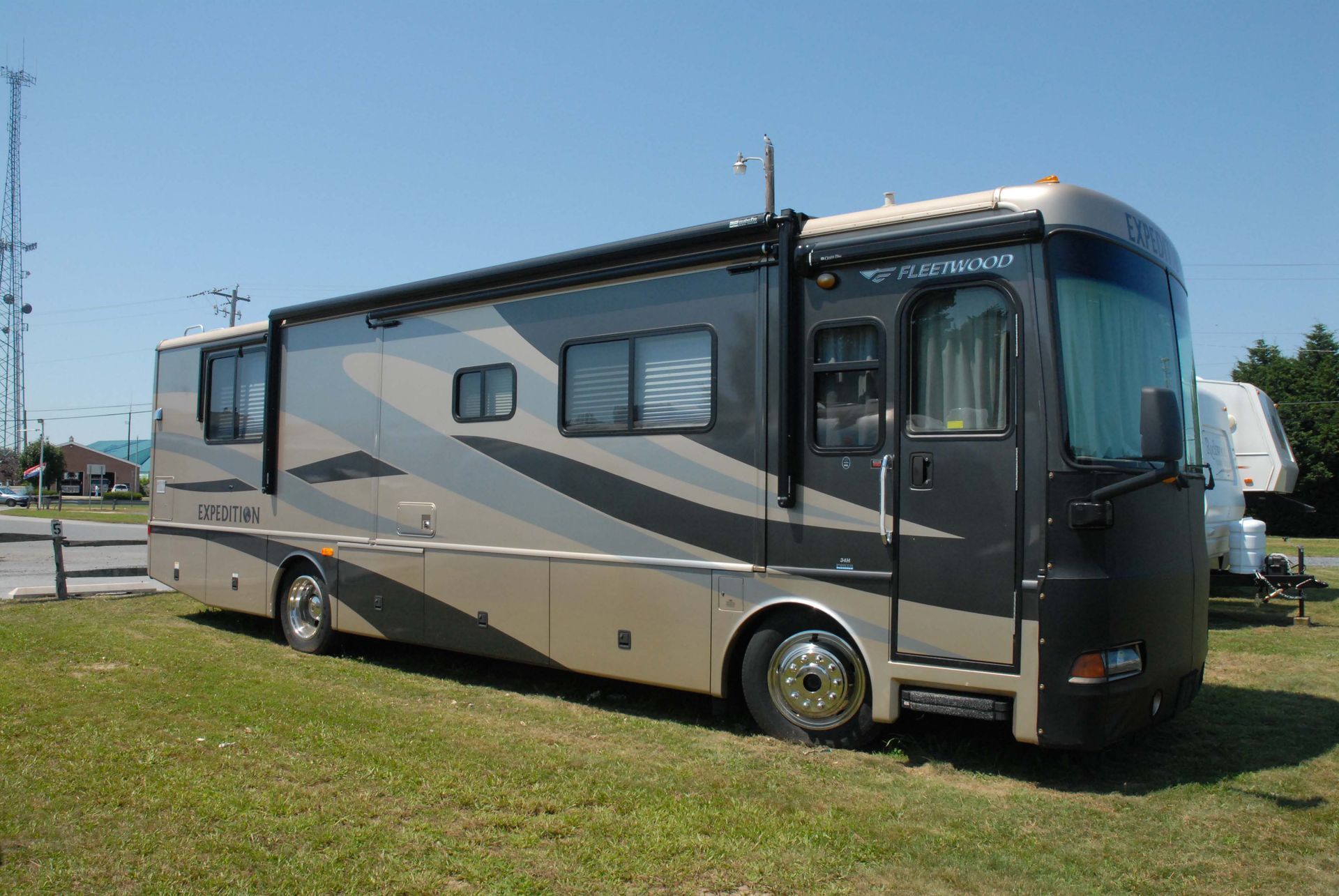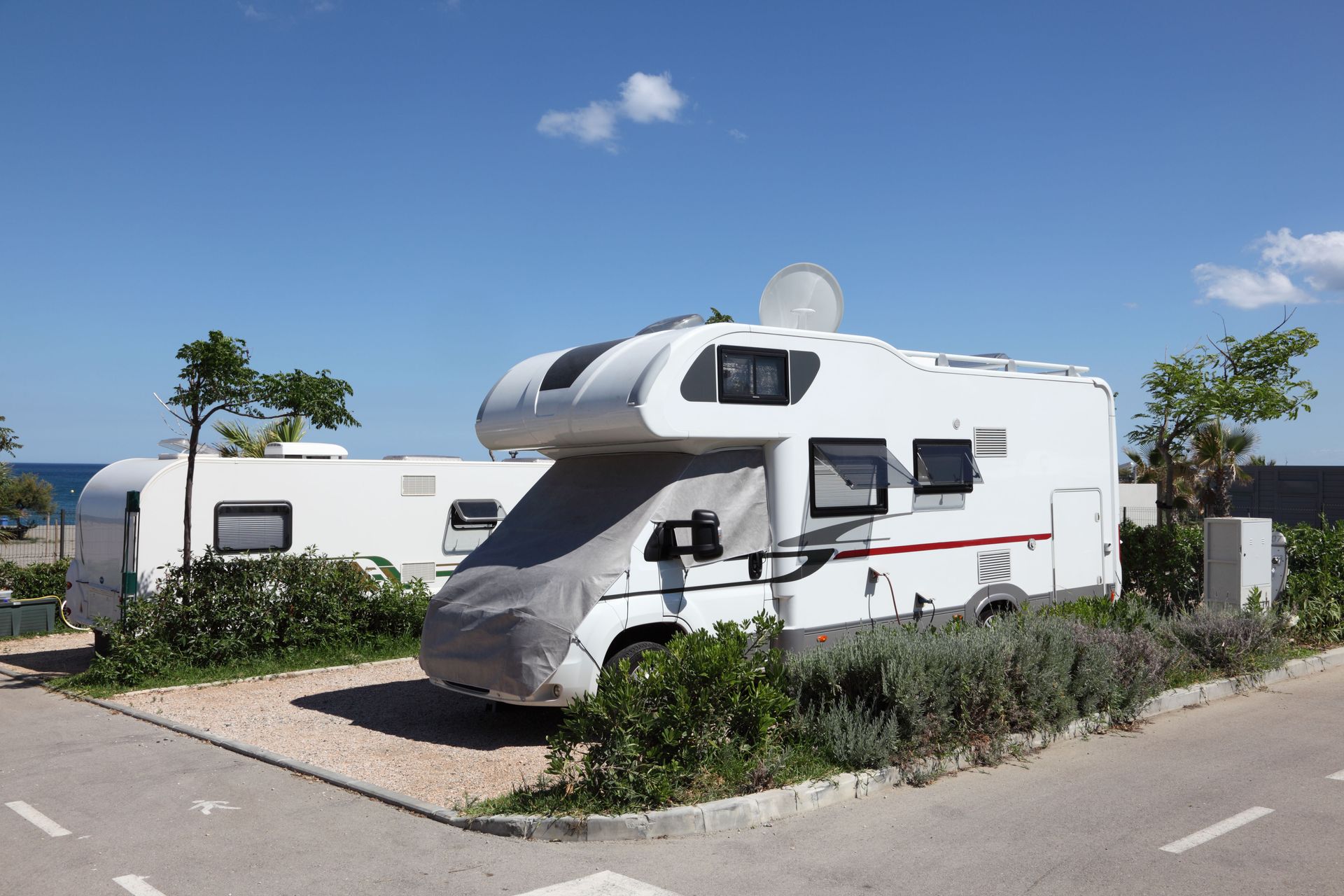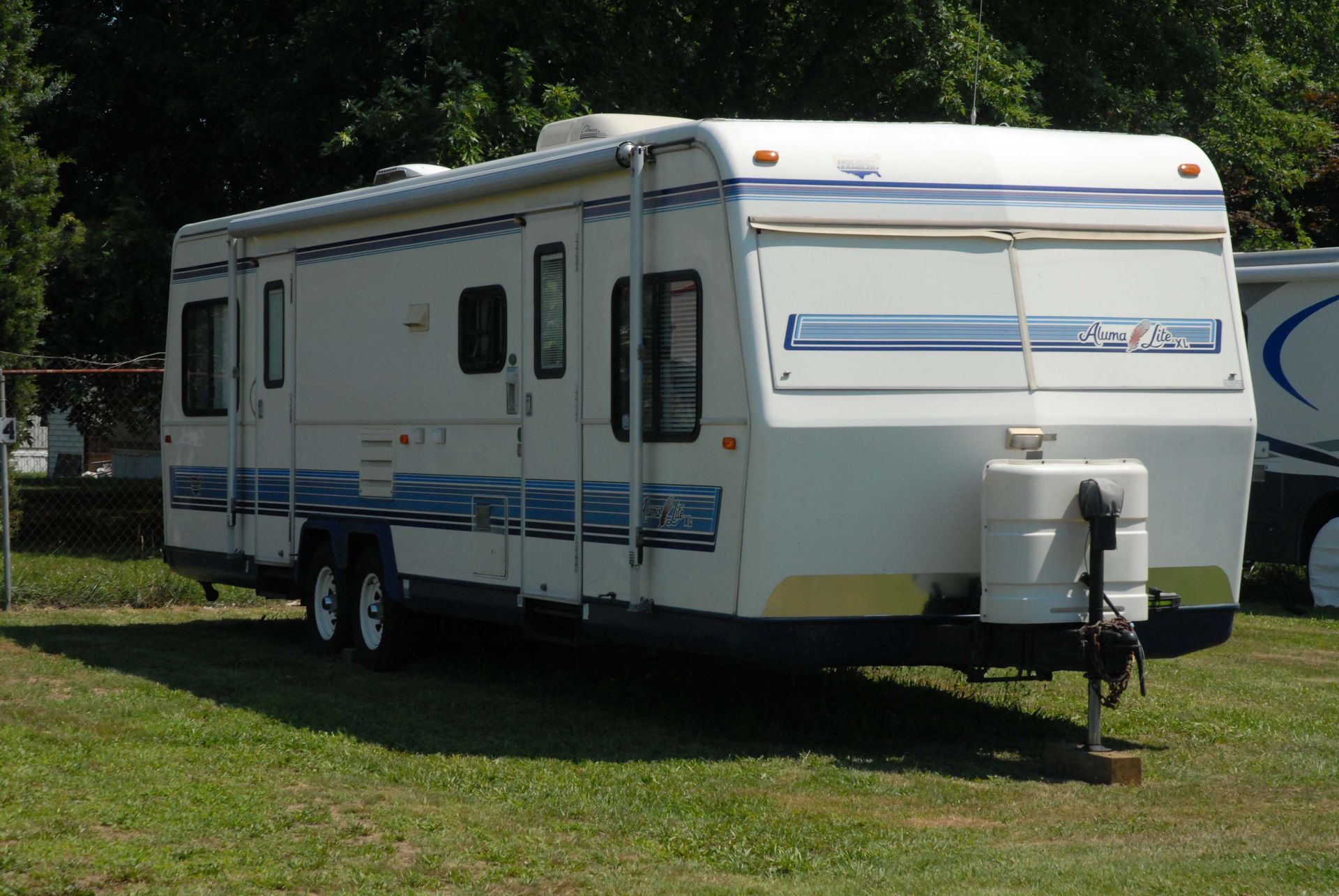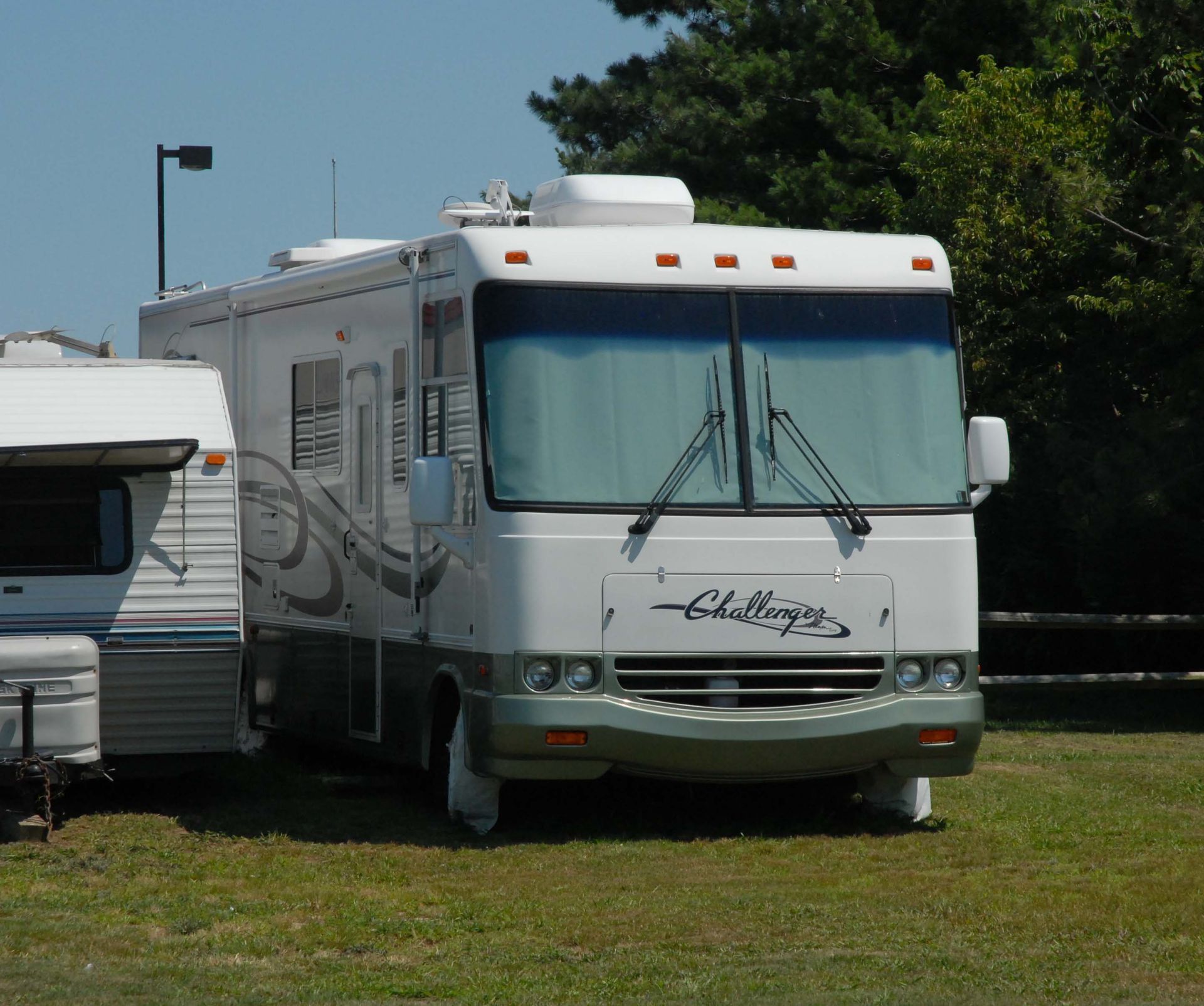
Owning an RV offers unparalleled freedom to explore the open roads while providing the comforts of home. However, this liberty comes with the responsibility of maintaining the vehicle through regular inspections. Neglecting these checks can lead to severe consequences, both financially and in terms of safety. This article explores why RV inspections are critical and the numerous advantages they offer to RV owners. By understanding their importance, you can ensure your RV remains a reliable companion on all your journeys.
1. Ensuring Safety on Road Trips
Identifying Mechanical Issues Early
Regular RV inspections allow you to identify mechanical issues before they escalate into significant problems. An overlooked issue in an RV, such as a faulty engine component, can become a costly repair if not addressed early. Routine checks help uncover these hidden defects, ensuring your vehicle remains roadworthy. This proactive approach significantly minimizes the risk of being stranded due to a mechanical failure. Moreover, early detection of issues not only saves money but also enhances safety during your travels.
Preventing Accidental Breakdowns
Furthermore, breakdowns are not only inconvenient but can also be dangerous, especially when traveling with family, which makes up 33% of RV travelers according to Camper Champ. Regular inspections help prevent these by ensuring all vehicle components function correctly. They can reveal signs of wear and tear or impending failures, which can be addressed promptly. This reduces the chances of accidental breakdowns occurring in remote areas or hazardous conditions. Consequently, the security and peace of mind of everyone on board, particularly those traveling with children, are significantly increased.
Verifying Brake and Tire Conditions
Tires and brakes are critical components of any vehicle, more so for an RV carrying the weight of a home on the road. Inspecting these components regularly ensures they are in optimal condition for safe operation. Well-maintained tires improve fuel efficiency and reduce the risk of blowouts. On the other hand, brakes in good condition prevent accidents by ensuring the vehicle stops effectively. Keeping these components in check is especially crucial when you consider that 33% of RV travelers might have their families with them, as mentioned before by Camper Champ.
Checking Safety Features and Equipment
Safety equipment such as fire extinguishers, smoke detectors, and carbon monoxide detectors should be regularly inspected for functionality. These devices are critical for detecting hazards early and preventing disasters. Inspection ensures they receive the necessary maintenance or replacements as needed. Additionally, it's crucial to confirm that safety features like seat belts and airbags are in working order. Conducting these safety checks prevents accidents and injuries, assuring all occupants, whether traveling solo or with family members.
Reducing Risk of Accidents
Comprehensive RV inspections go a long way in reducing the overall risk of accidents on the road. By verifying the integrity and functionality of mechanical and safety components, you mitigate the potential for malfunctions. Crucial systems such as steering and suspension, when inspected, ensure you maintain full control of the vehicle. Reduced risk of accidents translates to enhanced protection for everyone in the RV. Ultimately, regular inspections support the overarching goal of creating a secure travel environment for those who have families traveling with them.
2. Protecting Your Investment
Maintaining Vehicle Value
Your RV is a substantial investment, and maintaining its value is essential for long-term ownership satisfaction. Regular inspections keep the vehicle in top condition, which helps retain its market value. Potential buyers are more inclined to purchase a well-maintained RV that has a documented inspection history. This commitment to upkeep not only preserves the resale value but also appeals to discerning buyers. Consistent maintenance is effectively an investment in the longevity and value of the RV.
Reducing Long-term Repair Costs
Addressing small issues found during RV inspections can prevent them from developing into significant problems. This proactive maintenance strategy minimizes the need for costly repairs down the line. Small, preventative repairs are far less expensive than overhauls necessitated by neglected issues. By investing in regular inspections, you save money while ensuring the vehicle's reliability. The reduced repair costs translate to better financial management, allowing families to allocate resources elsewhere, perhaps even for more travel adventures.
Ensuring Warranty Compliance
Most RVs come with a warranty that covers certain repair costs, but this often requires proof of regular maintenance. Skipping inspections can void the warranty, leaving you liable for costs that would otherwise be covered. Keeping a detailed record of regular inspections helps ensure warranty compliance. This compliance means savings on potential repairs and replacements down the road. Thus, regular inspections not only protect the RV but also safeguard your financial investment in it.
Enhancing Resale Opportunities
A well-maintained RV stands out in the resale market, appealing to potential buyers who prioritize condition and upkeep. Regular inspections ensure that it remains in peak condition, enhancing its attractiveness to prospects. Buyers are more confident purchasing an RV that has been regularly inspected and documented. The peace of mind that a well-cared-for RV offers can often lead to a quicker sale and perhaps even a higher selling price. Consequently, regular inspections directly contribute to optimizing resale opportunities.
3. Improving Road Performance
Enhancing Fuel Efficiency
Regular RV inspections positively impact your RV's fuel efficiency by ensuring all systems operate optimally. Properly inflated tires, clean filters, and a well-tuned engine are outcomes of consistent vehicle checks. Enhanced fuel efficiency not only benefits the environment but also reduces operational costs for owners. Given the extensive distances RV journeys can cover, these savings are significant over time. Consequently, inspections help ensure that the vehicle operates economically, benefiting both the owner and the environment.
Optimizing Engine Performance
The engine is the heart of your RV, and keeping it in optimal condition is crucial for overall performance. Inspections reveal worn parts that may impair engine function, allowing for timely replacements. Regular oil changes and filter checks, components of routine inspections, prevent engine degradation. An optimized engine results in smoother rides and reduced strain on critical components. Ultimately, the longevity and reliability of the RV are significantly enhanced through consistent engine checks.
Ensuring Efficient Axle and Tire Alignment
Proper alignment of the axles and tires is crucial for safe and efficient RV operation. Misalignment can lead to uneven tire wear, reduced fuel efficiency, and increased strain on the vehicle's suspension. Regular inspections address these issues, optimizing performance and maneuverability on the road. Proper alignment also ensures a smoother driving experience, reducing driver fatigue on long journeys. Consequently, routine alignment checks help maintain the integrity and safety of the RV's road performance.
Improving Transmission Operation
The transmission system is vital for controlling the power output from the engine to the wheels. Regular inspections ensure its components function smoothly, reducing the risk of breakdowns. Timely checks can identify issues such as low fluid levels or worn-out parts that impede performance. A well-maintained transmission system enhances the vehicle's overall performance and extends its lifespan. Additionally, smooth operation translates to improved fuel economy and reduced wear on the engine, benefiting the entire vehicle.
Regular RV inspections are integral for ensuring safety, protecting financial investment, enhancing performance, and complying with legal requirements. Skipping these checks can lead to avoidable inconveniences, financial burdens, and safety risks. If you have any questions or would like more information about an RV inspection, call our dedicated team at RV Doctor LLC.