By Randi Romans |January 11, 2026
January 11, 2026
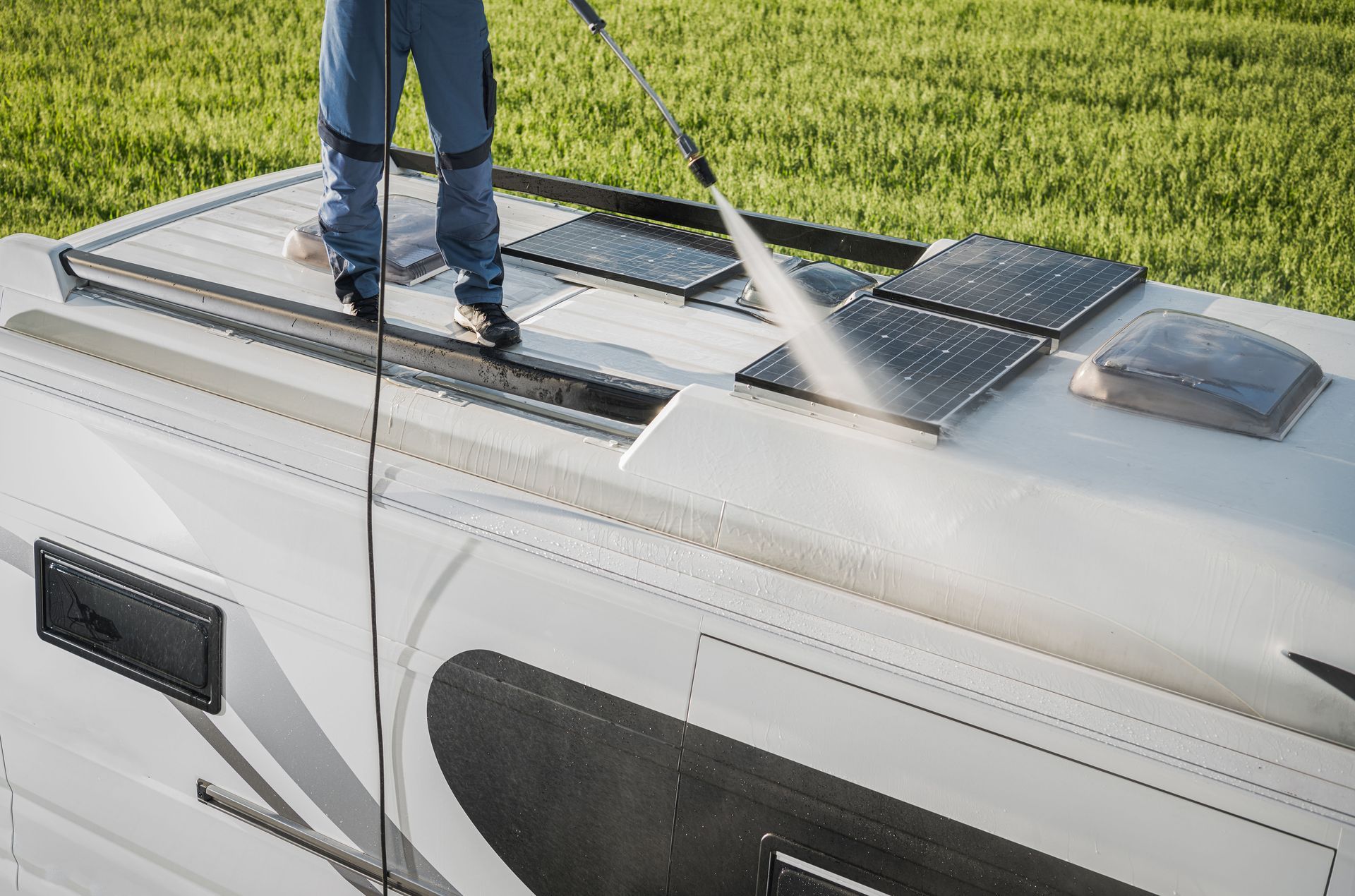
Understanding the critical nature of investing in RV roof service promptly can save RV owners from extensive damage and costly repairs. According to Camper Champ, RV trips are typically short weekend getaways that last between three and seven days. Therefore, ensuring the vehicle is in top condition not only enhances the quality of each excursion but also supports its long-term financial worth. By acknowledging and acting on maintenance signs, RV owners invest in the continuous well-being of their vehicles. Ignoring minor problems now can lead to an array of long-term issues, including water damage and structural integrity loss. Beyond the physical aspects, addressing roof issues also directly affects the value and safety of your vehicle. Therefore, timely attention to RV roof service is not just an investment in your RV but ensures peace of mind during your travels.
Water Leaks: Identification and Sources
Water leaks are one of the most common and potentially damaging issues faced by RV owners. Identifying leaks early is crucial and typically involves checking for stains, soft spots, or visible dripping within the RV. Common sources of leaks include improperly sealed vents, skylights, and air conditioning units, as well as damage in the roofing material itself. Failure to address even minor leaks promptly can lead to extensive water damage, mold growth, and compromised structural integrity. Therefore, regular roof inspections are vital for early detection and prevention of costly water-related issues.
Effective leak prevention involves more than just addressing visible symptoms; understanding root causes is essential. Factors contributing to leaks often include deteriorating sealants, mechanical damage, or weather-induced wear. Preventive measures, such as resealing joints and reinforcing vulnerable points, can significantly reduce the likelihood of leaks occurring. Additionally, maintaining a thorough record of past repairs and inspections helps identify recurring problem areas and guides targeted RV roof service efforts. By adopting a proactive stance on leak prevention, RV owners can protect their vehicles from severe water damage.
Addressing leak issues promptly not only protects the RV from immediate harm but also preserves its long-term value. Unchecked leaks can result in structural rot, electrical issues, and unsanitary living conditions due to mold and mildew proliferation. These issues not only drive up repair costs but also diminish the RV's resale value. Regular maintenance and early intervention can curb these damages, ensuring the RV remains functional and valuable over time. Thus, timely identification and repair of water leaks are critical factors in maintaining an RV's integrity and worth.
Damage from UV Exposure
UV exposure is a formidable threat to RV roofs, particularly those made from materials like rubber and fiberglass. Over time, constant sun exposure leads to surface degradation, resulting in brittleness, cracks, and fading. This not only compromises the roof's aesthetic appeal but also its functional performance, as damaged sections become susceptible to leaks. Prevention strategies often include applying UV-resistant coatings or installing protective covers when the RV is inactive. Regular inspections for signs of UV damage are also crucial in addressing issues before they escalate into more significant problems.
The interaction between UV rays and roofing materials is an essential consideration for RV roof service. Rubber roofs can shrink and crack under prolonged sun exposure, necessitating regular conditioning to retain flexibility. Fiberglass, while more resistant, is not immune to the sun's effects, with gradual fading and superficial cracking posing concerns. Owners with aluminum roofs benefit from a UV-resistant surface, but they must remain vigilant against other potential forms of damage. Tailoring RV roof service practices to address material-specific UV vulnerabilities helps enhance the roof's durability and lifespan.
Addressing UV damage early is vital for preserving the roof's structural integrity and the RV's overall value. Neglecting to mitigate UV effects can lead to costly repairs and even the replacement of the roof. Protecting the roof from UV damage is also integral in maintaining the RV's interior comfort, as compromised roofs can exacerbate temperature variations and reduce energy efficiency. Thus, proactive measures encompassing UV protection not only preserve the roof's condition but also contribute to a more enjoyable and cost-effective RV experience.
Impact of Tree Debris and Overhanging Branches
Tree debris and overhanging branches pose significant risks to RV roofs, capable of causing considerable damage if not addressed. Falling branches can puncture or tear roofing materials, leading to leaks and structural compromise. Moreover, accumulated leaves and twigs can clog drainage systems and trap moisture, exacerbating water-related problems. RV roof service routines should include regular removal of debris to prevent such complications. Implementing protective measures, such as parking away from heavily treed areas or installing covers, can also safeguard the roof from debris-related issues.
Understanding the dynamics of debris-related roof damage aids in devising effective preventative strategies. Rubber roofs are particularly vulnerable to punctures caused by sharp branches, while fiberglass or aluminum roofs might suffer dents and scratches. Regular inspections, especially after parking in wooded areas, can help identify and address damage early. Additionally, trimming overhanging branches around regular parking spots minimizes the risk of significant debris accumulation. Efforts to mitigate damage from tree debris protect the roof and preserve its functional capacity over time.
Maintaining awareness of potential debris hazards is essential in minimizing damage risks. For instance, wet leaves left to decompose on the roof can lead to mold and increase the weight load, straining the roof structure. Prompt removal and cleaning prevent these issues and maintain the roof's appearance and functionality. Pre-planned parking strategies and consistent debris management protect not only the structure but also the aesthetic appeal of the RV. Thus, vigilance against tree debris forms an integral part of comprehensive RV roof service.
Punctures and Tears: How They Occur and Affect the Roof
Punctures and tears in an RV roof are common issues that can lead to extensive damage if left untreated. These forms of damage often result from impacts with tree branches, sharp debris, or walking on the roof without proper care. Even minor tears can quickly escalate into larger issues, compromising the roof's ability to protect against water infiltration. Regular roof service allows for early detection of punctures, enabling timely repairs to prevent further deterioration. Addressing these issues promptly ensures the roof remains functional and prolongs the overall lifespan of the RV.
Prevention of punctures and tears involves understanding the likely sources and implementing protective measures. Avoiding parking under trees with low branches and using walkways when accessing the roof can prevent accidental damage. Protective roof coatings and sealants can also provide an additional layer of defense against minor abrasions. Monitoring for signs of wear or damage during routine maintenance checks allows for swift intervention. Through these preventive efforts, the risk of experiencing puncture-related issues is significantly reduced.
The consequences of ignoring punctures and tears extend beyond immediate functional losses. Water infiltration through these breaches can lead to mold, compromise insulation, and induce electrical problems within the RV. Timely repair of even small issues prevents the escalation of damage, preserving the roof's integrity and the RV's living conditions. Implementing a proactive maintenance routine that emphasizes prevention and timely response ensures that the roof can withstand potential hazards and serve its protective role effectively. Thus, vigilance in managing punctures and tears is crucial for the overall protection of the RV.
In the end, maintaining an RV roof is not just about aesthetics—it's about safeguarding your investment, comfort, and safety on the road. Small issues like leaks, UV damage, debris buildup, or punctures can escalate quickly into expensive repairs if neglected. Regular inspections, prompt repairs, and preventive measures such as applying protective coatings or clearing debris go a long way in extending the roof's lifespan and preserving the RV's value. Proactive maintenance also helps prevent disruptions to travel plans, keeping your vehicle road-ready and dependable. Reach out to RV Doctor LLC today to take RV roof service seriously and address concerns early so your vehicle remains protected from the elements and ready for any journey ahead.